


Abuja, 18 November 2026
The Federal Ministry of Water Resources and Sanitation, in collaboration with the Niger Basin Authority (NBA), the German Federal Ministry for Economic Cooperation and Development (BMZ), Deutsche Gesellschaft für Internationale Zusammenarbeit (GIZ), the relevant Ministries from Adamawa and Kogi States, and other stakeholders, gathered at Stratton Hotel, Abuja, to intensify efforts to strengthen Early Warning Systems (EWS) for flooding and severe low water levels in Lokoja, Kogi State, and Yola, Adamawa State.
The initiative aims to strengthen disaster preparedness, protect vulnerable communities, and reduce losses from recurring hydrological hazards.
The Minister of Water Resources and Sanitation, Engr. Prof. Joseph Terlumun Utsev, represented by Mrs. Angela Keyede, described the workshop as a critical step towards identifying gaps in existing warning mechanisms and developing sustainable solutions. He emphasized that effective early warning systems are essential to protect lives and livelihoods, reduce economic losses, and strengthen resilience to climate-related emergencies.
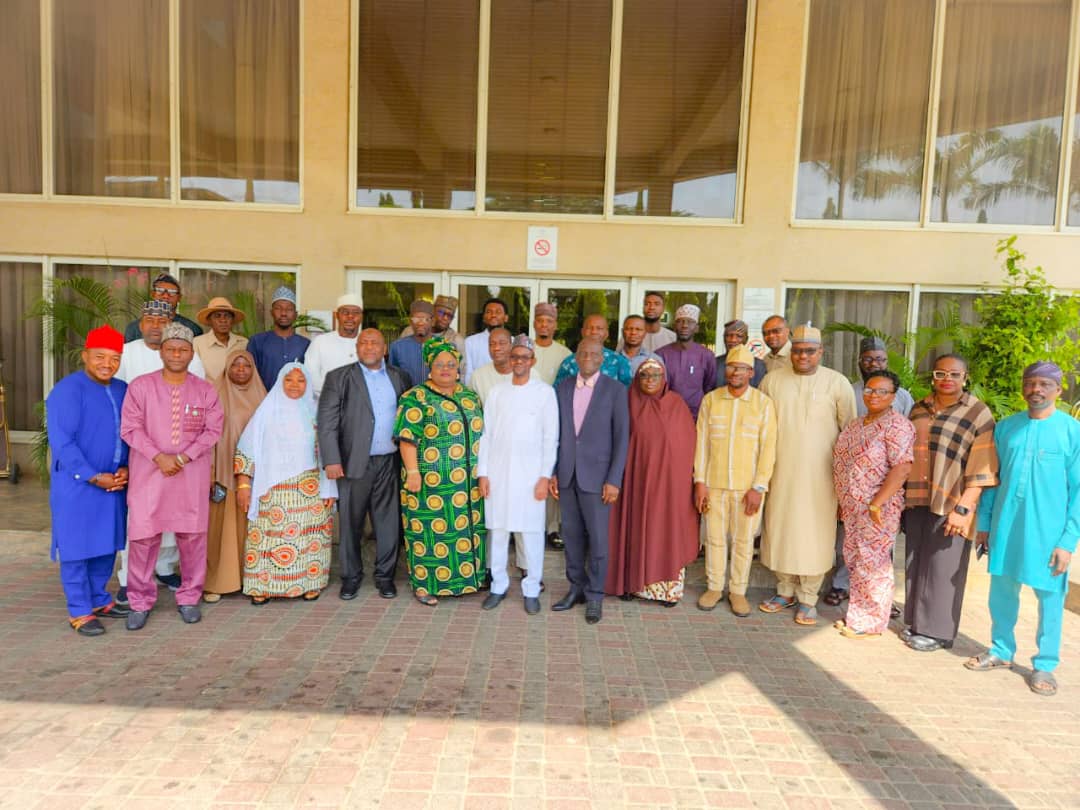
The Minister commended the support of the NBA, BMZ and GIZ in advancing climate resilience, disaster preparedness, and integrated water resources management across the Niger Basin. He urged participants to review the draft assessment report critically and provide recommendations on the institutional, financial, technical, and governance arrangements needed for effective implementation.
In his remarks, Kocou Armand Houanye, Executive Secretary of the Niger Basin Authority, represented by Bashir Alkali Tanimoun, noted that floods and drought remain among the most significant climate-related threats affecting communities across the Niger Basin. He highlighted recent flood impacts in Adamawa and Kogi States and stressed the need for stronger collaboration among government institutions and stakeholders to ensure early warnings translate into timely community-level action.
The workshop seeks to validate the study findings and maps, assess the quality and relevance of data used, identify gaps and additional data needs, incorporate stakeholders’ observations, and agree on revisions required for final validation. Participants are also expected to establish responsibilities and timelines for completing the project and to endorse an implementation roadmap and sustainability framework.

