



Niamey, May 7, 2026 – The Niger Basin Authority hosted a delegation of students from Abdou Moumouni University of Niamey on Thursday as part of an academic and institutional visit focused on hydro-climatic tools, data management, and climate change challenges in the Niger Basin. The delegation was led by their academic supervisor, Dr. Idrissa.
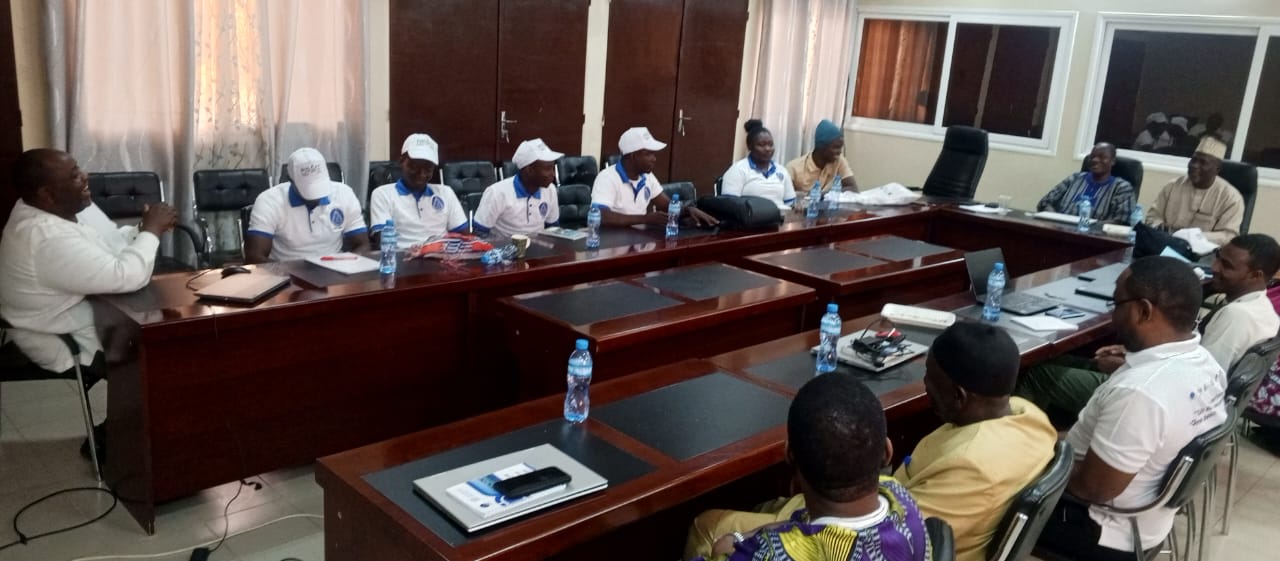
The meeting brought together officials from the Niger Basin Authority (NBA), representatives of the Integrated Program for Development and Adaptation to Climate Change in the Niger Basin (PIDACC-BN), as well as representatives of German cooperation through GIZ.
1. A Session Dedicated to Knowledge Sharing
The session began with introductions of the participating delegations, including the students, their academic supervisor, and representatives of partner institutions.
In his welcome address, the Acting Director of the Niger Basin Observatory highlighted the importance of the meeting, which focused on technical exchanges regarding hydro-climatic tools and data sharing. He encouraged the students to actively participate in the discussions in order to fully benefit from the presentations.
Speaking on behalf of the students, the class representative expressed gratitude to the NBA for the warm welcome extended to the delegation. He noted that the visit formed part of efforts to strengthen the students’ academic and professional capacities by enabling them to better understand the functioning of the Niger Basin and the management mechanisms implemented by the NBA and its partners.
2. Three Technical Presentations at the Core of the Discussions
The meeting agenda featured three main presentations focusing respectively on:
- the Niger Basin Authority (NBA);
- PIDACC-BN;
- GIZ.
3. The NBA Presents Its Mandate and Integrated Management Tools
During its presentation, the NBA outlined its key missions and major challenges, with particular emphasis on governance, planning, and natural resource management tools within the Niger Basin.
Discussions focused on:
- the establishment and mandate of the NBA;
- challenges related to the sustainable management of natural resources;
- hydro-climatic tools and information systems;
- data-sharing mechanisms;
- harmonization of data collection and processing tools;
- challenges related to data availability and quality;
- proposed solutions and prospects for strengthening integrated natural resource management.
4. PIDACC-BN Highlights Climate Risks and Resilience
The PIDACC-BN presentation enabled participants to deepen their understanding of climate risks in the Niger Basin.
The presentation covered several major themes, including:
- the scientific basis of climate change;
- climate risks and extreme events;
- risk management mechanisms;
- adaptation measures;
- vulnerability factors;
- resilience mechanisms;
- approaches for assessing climate impacts.
The presentation also highlighted the key strategic instruments adopted by the NBA, notably the Sustainable Development Action Plan (SDAP), the Operational Plan (OP), and the Climate Investment Plan aimed at strengthening resilience to climate change in the Niger River Basin.
Finally, participants were reminded of the overall objective of PIDACC-BN, which is to contribute to improving the resilience of Niger River ecosystems and populations through the sustainable management of natural resources. In particular, the program seeks to reduce siltation in the Niger River, strengthen the resilience of agropastoral production systems, and promote integrated and participatory management of natural resources and biodiversity.
5. GIZ Reaffirms Its Commitment Alongside the NBA
The GIZ presentation focused on the technical and financial support provided by German cooperation to the NBA in the context of transboundary and collaborative water resource management for the 2023–2025 period.
The main areas of intervention presented included:
- institutional strengthening;
- development of legal frameworks for cooperation;
- establishment of sustainable resource management policies;
- improvement of early warning systems for floods and low-water events;
- promotion of the integrated Water-Energy-Food Security Nexus approach;
- integration of gender and inclusion considerations into natural resource management policies.
This support reflects the continued commitment of German cooperation to sustainable ecosystem management and climate resilience strengthening in the Niger Basin.
6. Constructive Discussions and Encouraging Prospects
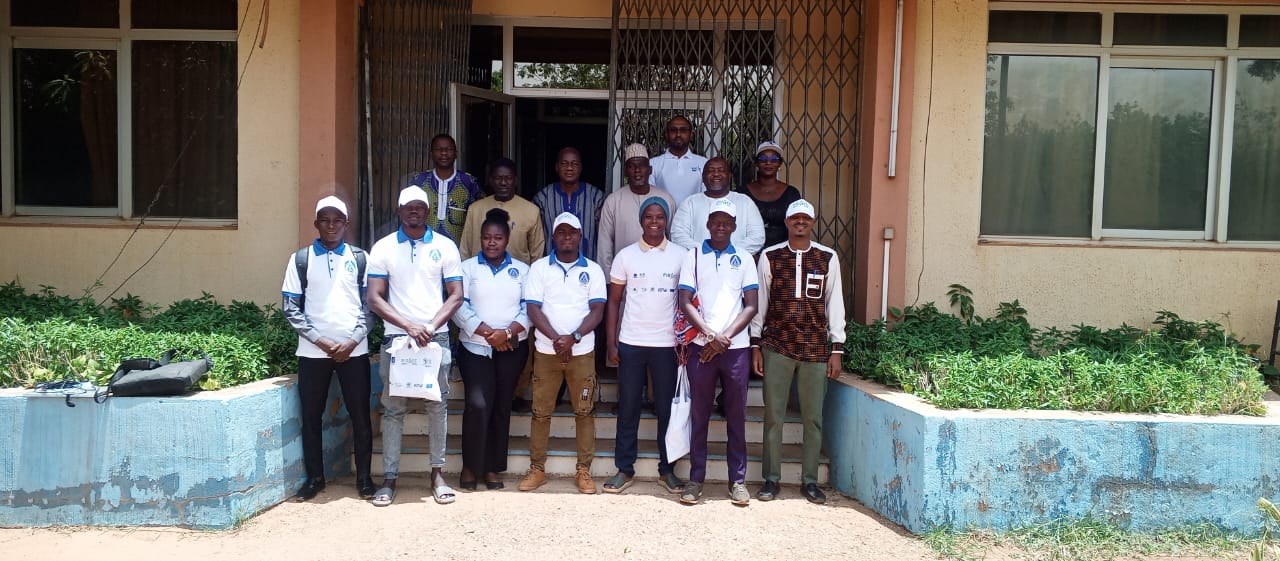
The meeting took place in a friendly and constructive atmosphere, providing students with an opportunity to deepen their understanding of issues related to integrated natural resource management, climate challenges, as well as resilience and adaptation mechanisms implemented in the Niger Basin.
Participants commended the quality of the presentations and expressed appreciation for the availability and openness of the NBA and its partners in engaging with the students.