



As part of the African Water Forum: From Vision to Action (N’Djamena, Chad, July 15-16, 2026), a roundtable brought together the Executive Secretaries of the Niger Basin Authority (NBA) and the Lake Chad Basin Commission (LCBC), the Deputy Executive Director of the Volta Basin Authority (VBA), and the High Commissioner of the Senegal River Basin Development Organization (SBO). The Minister of Water and Sanitation of Mauritania moderated the panel. H.E. Kocou Armand Houanye, NBA Executive Secretary, was one of the panelists.
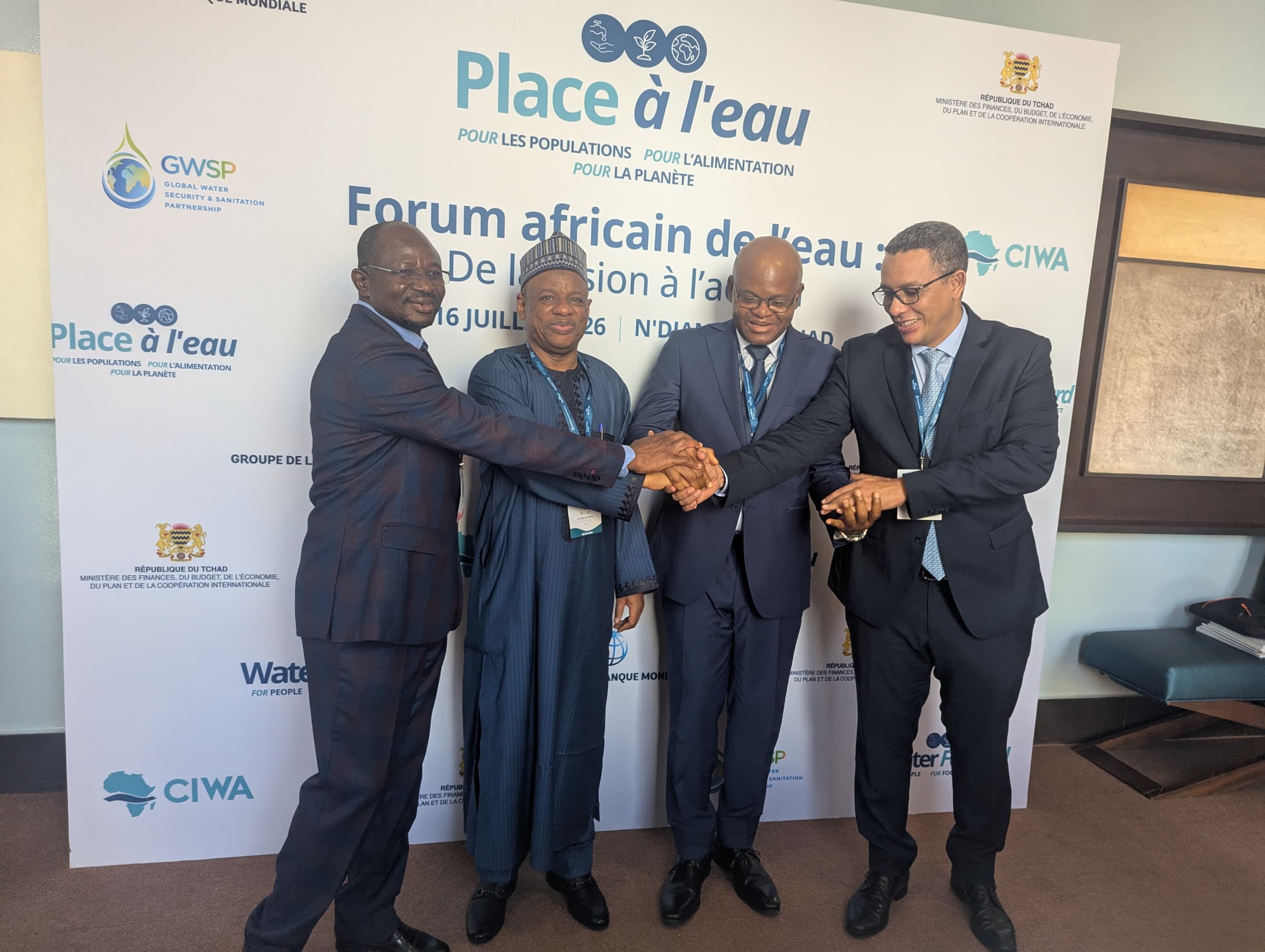
In his address, the Executive Secretary of the Niger Basin Authority (NBA) highlighted key challenges common to Transboundary Basin Organizations (TBOs) that require collective intervention. These include:
- Strengthening the institutional capacities of TBOs as key drivers for accelerating the transition from planning to development and the effective implementation of shared infrastructure projects of common interest, with appropriate mechanisms for equitable allocation the costs and benefits generated among the riparian states of transboundary basins;
- Ensuring the institutional viability and deployment of innovative, autonomous, and sustainable funding mechanisms for TBO activities. To this end, NBA member countries are in the process of operationalizing a Regional Climate Change Adaptation Fund for the Niger Basin (RCCAF/NB);
- Conjunctive and efficient governance and management of surface and groundwater, based on sound scientific data. Strong governance frameworks for transboundary basin organizations (TBOs) that take into account surface water and shared aquifers are also essential. Promoting aquifer recharge processes is also crucial;
- Strengthening the capacity of TBOs to forecast, warn against, and anticipate the risks of flooding, drought, and pollution at the transboundary basin scale by: (i) densifying and optimizing hydroclimatic and piezometric monitoring networks; (ii) harmonizing regulatory frameworks; (iii) improving data exchange and increased institutional collaboration between the riparian states of transboundary basins, among other things;
- Restoring degraded landscapes and preserving sensitive and fragile ecosystems such as those of the Fouta Djallon water tower, headwaters, wetlands, and river deltas in transboundary basins;
- The integration of public safety and territorial stability concerns into the governance frameworks and actions of transboundary basin organizations (TBOs), that hinders the implementation of their development operations, as well as those of member countries in transboundary basins.
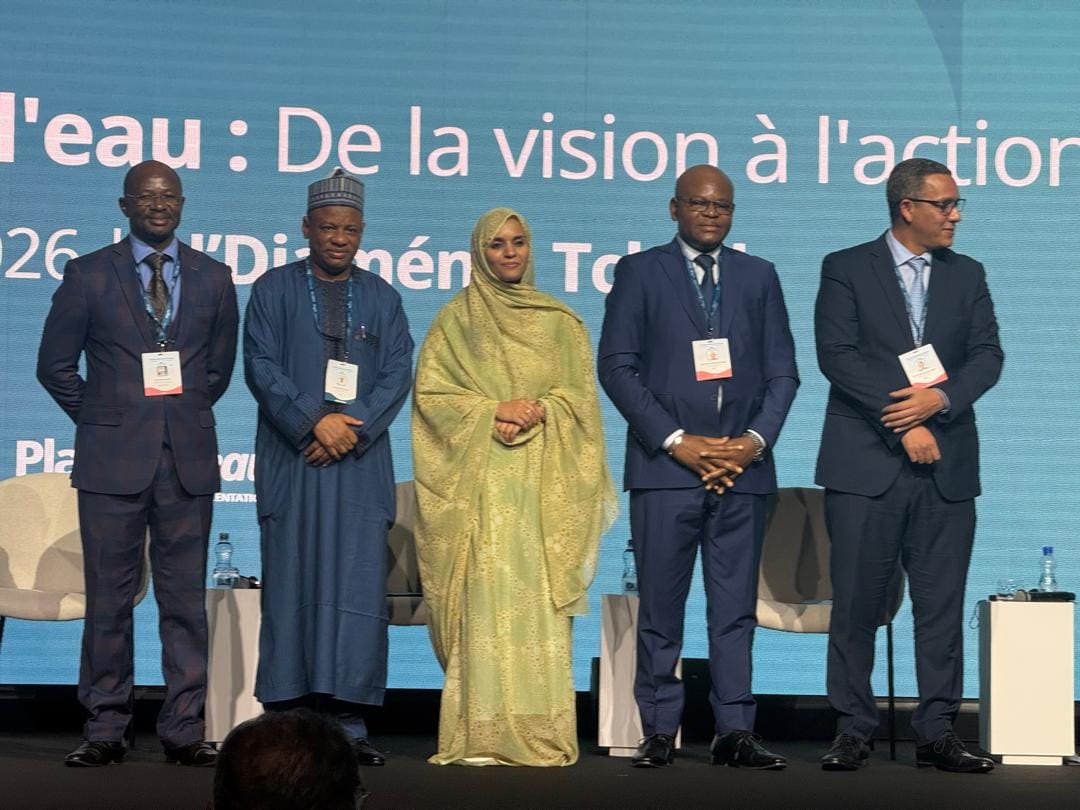
H.E. Kocou Armand Houanye reaffirmed the Niger Basin Authority’s interest in the formulation and effective implementation of a regional pact designed to yield actionable outcomes. This pact would advance regional cooperation and integration among riparian countries and ensure integrated, sustainable, resilient, and inclusive development across shared transboundary basins.
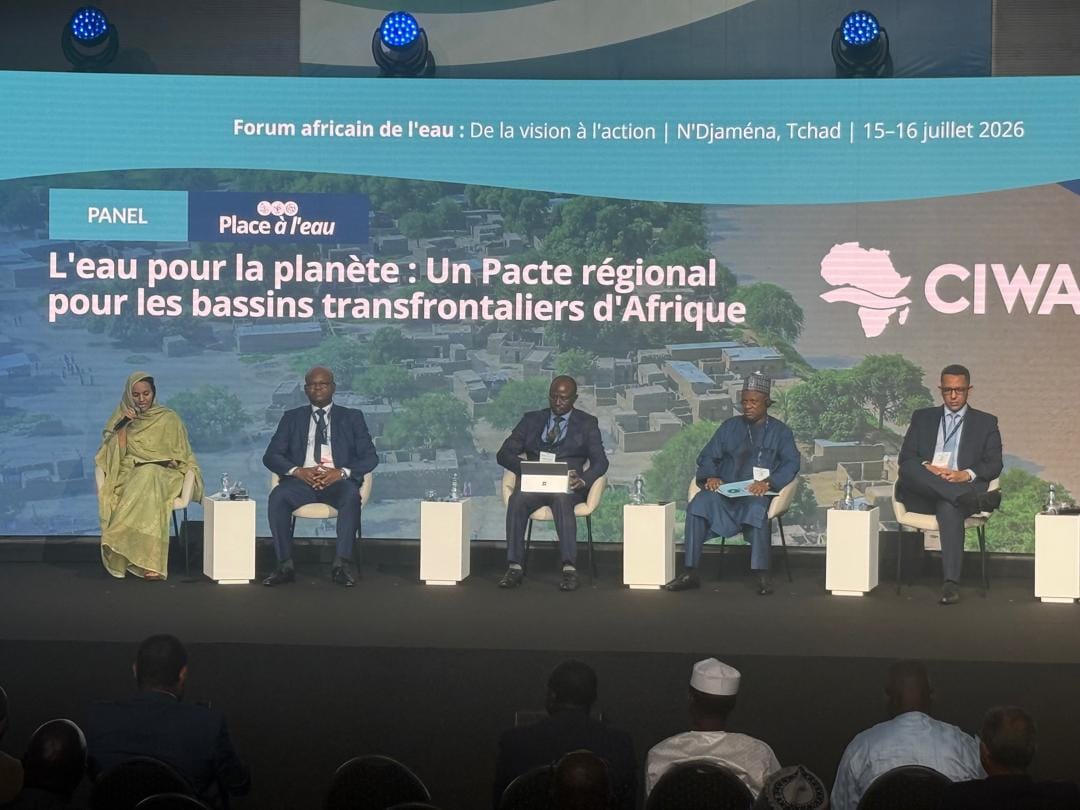
The "Water for the Planet" panel served as a platform for discussion to advance a common cooperation agenda at the basin level and promote the sharing of concrete experiences among transboundary basin organizations in West and Central Africa facing common challenges.
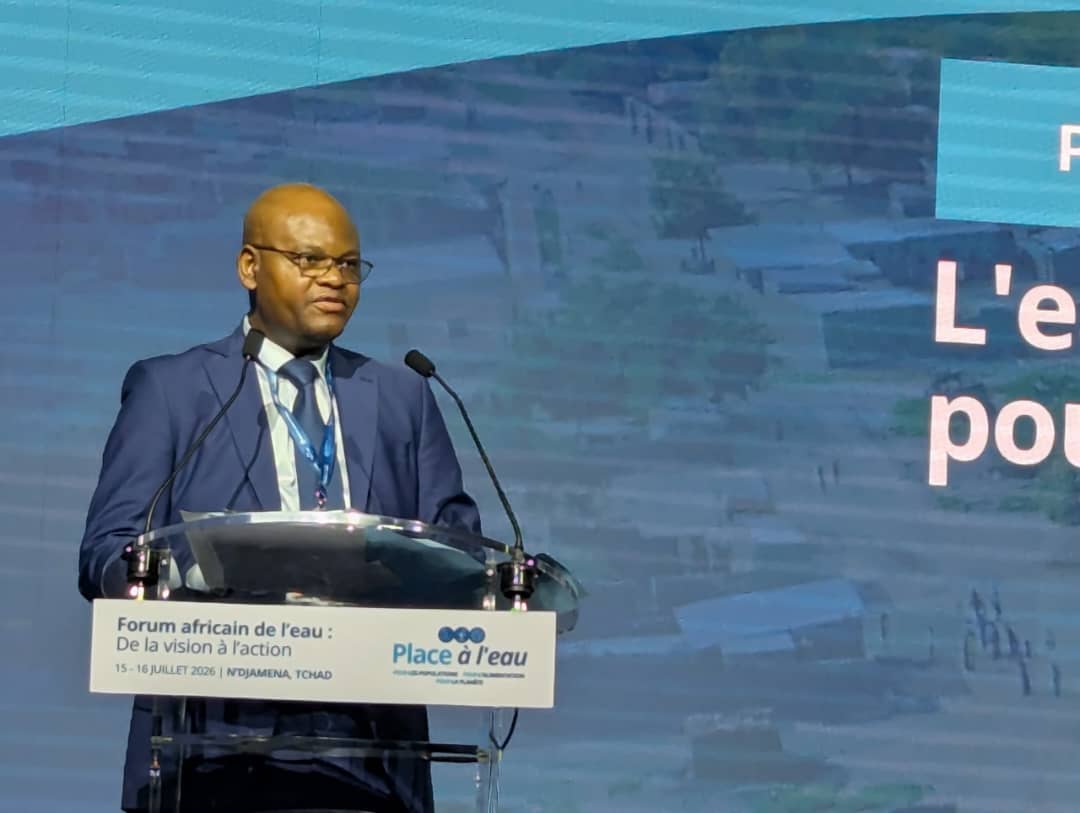
The Panelists also discussed avenues for action to promote stronger regional integration, while positioning Transboundary Basins as models of concerted water management in the service of sustainable development, climate resilience, shared prosperity and peace.