



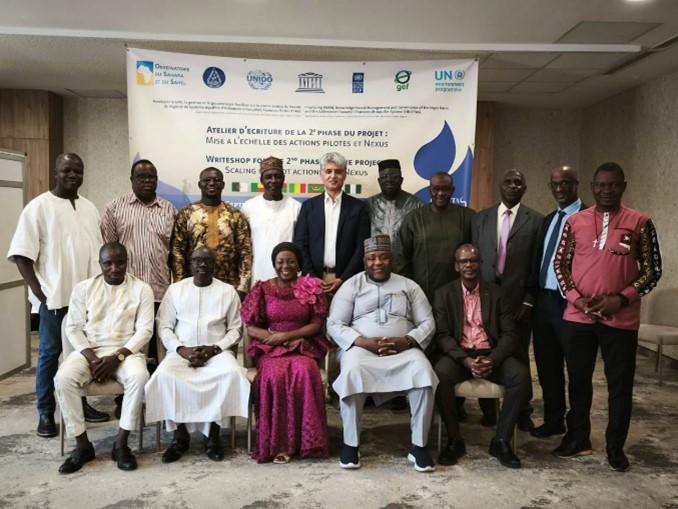
 The regional workshop of the NB-ITTAS project, held in Tunis from September 17 to 19, 2025, concluded with a collective commitment to sustainable and concerted management of transboundary groundwater, thus directly contributing to the mandate of the Global Environment Facility (GEF) on the theme of international waters.
It should be recalled that the first phase of the project (2018-2025) marked a decisive step with in particular:
• the development of a regional hydrogeological reference model;
• the implementation of the Cross-Border Diagnostic Analysis (ADT) and the Strategic Action Program (PAS);
• the implementation of six pilot projects on priority themes;
• the development of a database containing more than 57,000 water points;
• the signing by five countries of a memorandum of understanding establishing a Consultation Mechanism for the shared management of water resources;
• strengthening national technical capacities and implementing effective communication strategies at national and sub-regional levels.
For three days, representatives from Benin, Burkina Faso, Mali, Mauritania, Niger, and Nigeria worked to develop a concept note for a project to be proposed to the GEF through its implementing agencies. This new phase would aim to consolidate the scientific and institutional achievements of the first phase, capitalize on pilot projects conducted in the field, and strengthen regional cooperation for shared governance of common water resources.
A highlight of the workshop was the intervention of the Executive Secretary of the OSS at the conclusion of the proceedings. He stressed the importance of establishing a regional coordination unit within the OSS or NBA and ensuring a solid institutional anchoring, in order to ensure the sustainability of achievements and the coherence of future actions. He also welcomed the continued support of the GEF through its implementing agencies (UNEP and UNDP) as well as the effective coordination between the executing agencies (NBA, OSS, UNESCO and UNIDO).
The discussions also highlighted the need to develop progressive and equitable co-financing mechanisms, while strengthening national capacities. Participants also stressed the importance of expanding the partnership to new actors, including the private sector, development banks, and other international partners, to ensure inclusive and sustainable implementation.
The continuation of this initiative is fully in line with the GEF's priorities for integrated international water management. However, it remains conditional on the GEF's validation of the concept note and the effective mobilization of the necessary financing, in order to transform this collective vision into concrete actions to promote water resilience in the Sahel.