



The Niger Basin Authority was represented by Mr. Walter Bamidele OLATUNJI (Hydrologist Expert) in this year edition of Pan-African Dialogue on Transboundary Water Management and Investment convened by the African Union Commission (AUC) in collaboration with AMCOW and AUDA-NEPAD and co-hosted by the Global Water Partnership Africa Coordination Unit (ACU), UNDP Africa, GIZ and GEF IW: LEARN in Addis Ababa from 17th to 18th February, 2026.
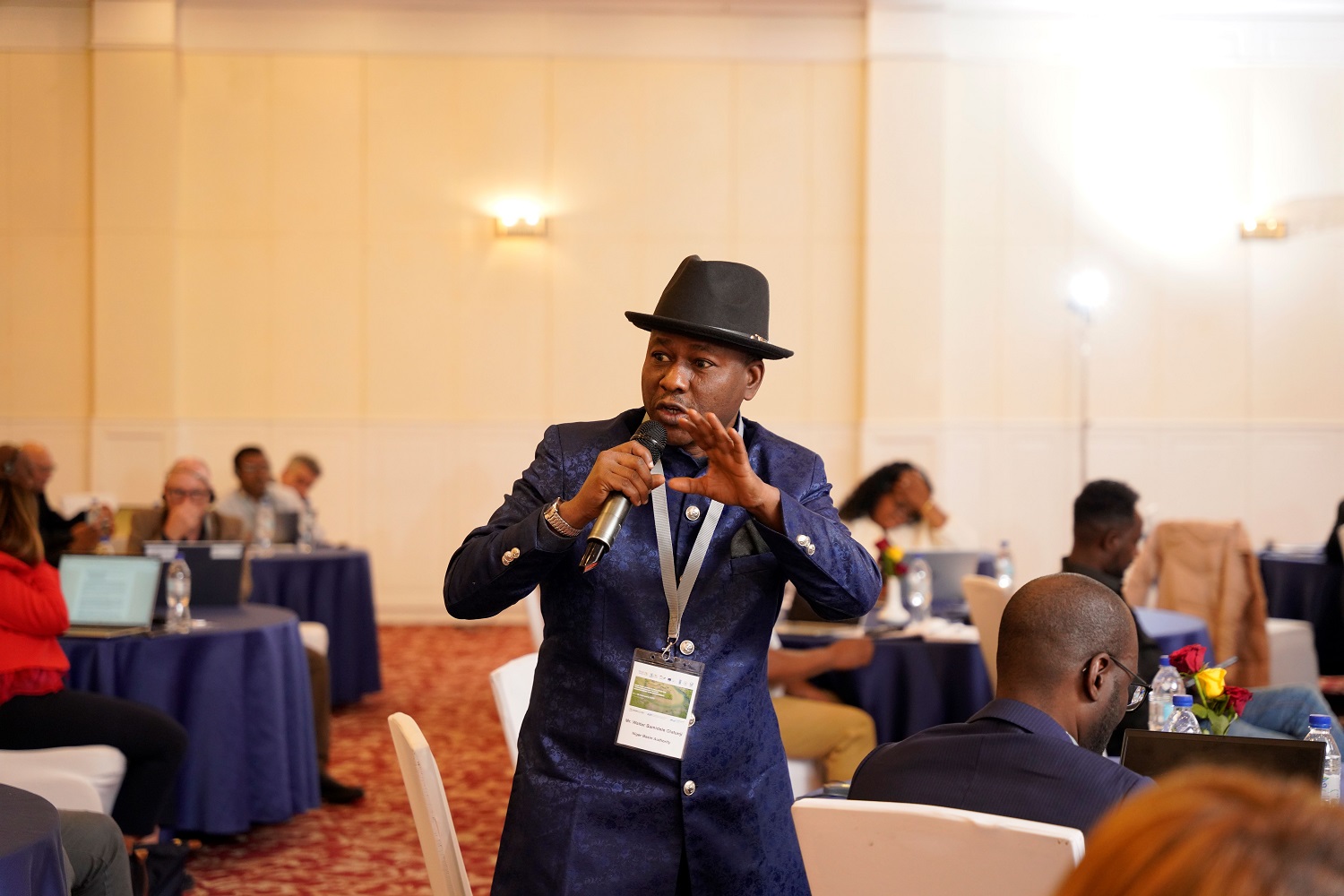
The two days event dialogue was highly resourceful, interactive and collaborative with representatives and technical experts from the Africa Union Member States, Regional Economic Communities (RECs), River and Lake Basin Organizations (RBOs), Development Partners, and Civil Society, Women and Youth Networks, and the Private Sector with the primary purposes to:
i. Provide a technical exchange platform for peer learning and capacity strengthening through case studies from projects and initiatives across Africa;
ii. Outlines practical means of action to inform the first phase of the implementation plan of the Africa Water Vision and Policy 2063;
iii. Discuss the issues for developing a continental initiative that responds to the needs identified by the 2025 Addis Ababa Dialogue;
iv. Consolidate shared technical priorities, lessons learned, and actionable recommendations that can be fed into Africa’s collective engagement in global processes, including preparation for the UN 2026 Water Conference.
It is worthy to note that during the plenary 2 – case study cluster 1: Governance and Cooperation Mechanisms, one of the panelists, Mr. Walter Bamidele OLATUNJI, emphasized that robust Transboundary Water Governance Structures are essential for effective management of shared waters and the protection of ecosystems.
According to him, they provide a framework for cooperation, collaboration, decision-making and conflict resolution among countries and stakeholders, ensuring equitable access to water resources and its sustainable use. He then made a reference to Niger Basin Authority Governance Framework and Institutional arrangements which entail: The NBA Water Charter and its annexes, the constituted Summit of Heads of State and Government which is the highest decision-making body in the Basin, the Council of Ministers, the Technical Committee of Experts, National Focal Structures, the Executive Secretariat, the Regional Coordinating and National Coordinating Units of Users of Natural Resources in the Basin that ensure stakeholder participation at the lowest level. This Governance structure of NBA ensures that decisions are inclusive, transparent and reflect basin-wide priorities. According to Mr. Walter Bamidele OLATUNJI, the Niger Basin Authority is a transboundary organization where cooperation has translated to equitable use of water resources, peace and prosperity.
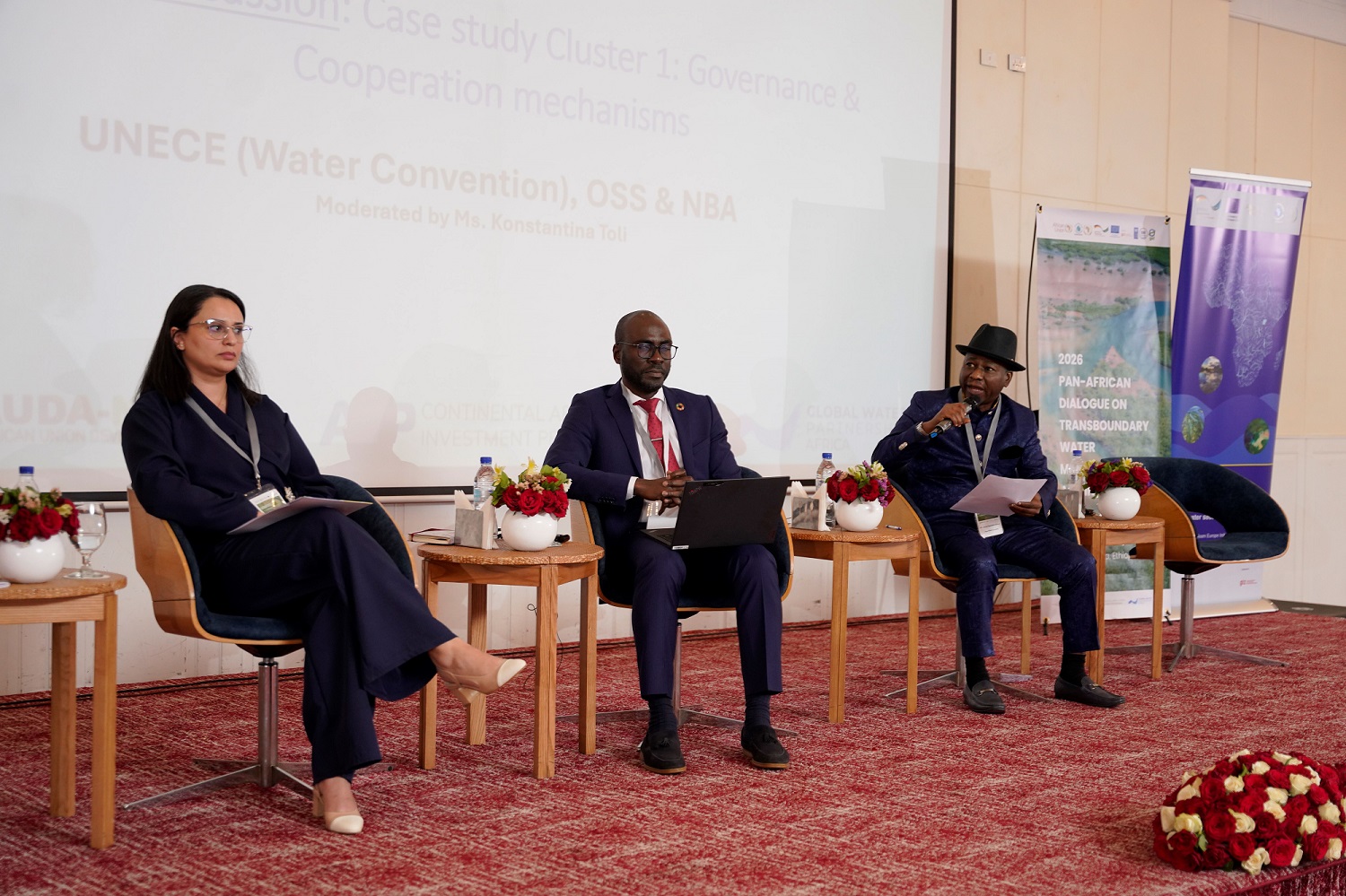
At the end of the two days dialogue, participants made some recommendations to key thematic areas that include; (1) Governance and Cooperation, (2) Climate Resilience and Investment. Significantly, one of the proposed priority actions stated that a platform to facilitate learning should be organized by AUC, using the Niger Basin Authority Water Charter on Governance and Cooperation frameworks as a learning model for other RBOs in the continent.
The forum concluded with a reminder that Water and Sanitation is at the Centre of Agenda 2063: the Africa We Want! Water is an enabler for Africa’s socioeconomic transformation and the outcomes of this dialogue shall be presented in the forthcoming UN Water Conference 2026 at United Arab Emirates in December, 2026. The Dialogue was declared closed by the representative of the UNDP.